Choosing the right pliers depends on the task, not the tool itself. Different jobs require different jaw shapes, strength, and precision. Once you understand how each type works, selecting the right pliers becomes faster and more reliable.
What to Look for When Choosing Pliers
Before selecting specific types, it is important to understand a few core factors that directly affect performance.
Jaw size determines the range of objects the pliers can handle. Smaller jaws are better for precision work, while larger jaws provide more leverage for heavy-duty tasks.
Material affects durability. Chrome vanadium steel is widely preferred because it offers a balance of strength and wear resistance. High-quality pliers are usually heat-treated to improve performance under repeated use.
Hardness is often measured using the HRC scale. A rating above 50 generally indicates good durability. Lower hardness tools may deform or lose cutting performance over time.
For electrical work, insulation is essential. Certified insulated pliers, such as those meeting VDE standards, are designed to handle up to 1000 volts. This significantly improves safety in live environments.
Handle design also matters. Rubber-coated grips provide better control and reduce fatigue, especially during long working sessions.
Best Pliers for Different Jobs
The most efficient way to choose pliers is to match them to the job. The table below provides a quick reference.
| Work Scenario | Recommended Pliers | Core Function |
| Electrical work | Electrician pliers, insulated cutters | Cut wire, strip insulation |
| Plumbing | Pipe wrench, pump pliers | Grip pipes, prevent slipping |
| Automotive repair | Needle-nose pliers, snap ring pliers | Handle small parts, remove clips |
| Home DIY | Combination pliers | General gripping and bending |
| Woodworking | Bar clamps | Hold materials in place |
| Electronics repair | Precision pliers | Fine cutting and control |
| Gardening | Pruning shears | Cut branches |
| Mechanical work | Circlip pliers | Remove retaining rings |
This type of mapping reduces confusion and allows faster decision-making.
Best Pliers for Electrical Work
Electrical work requires both cutting performance and safety protection. Insulated pliers are not optional in this environment.
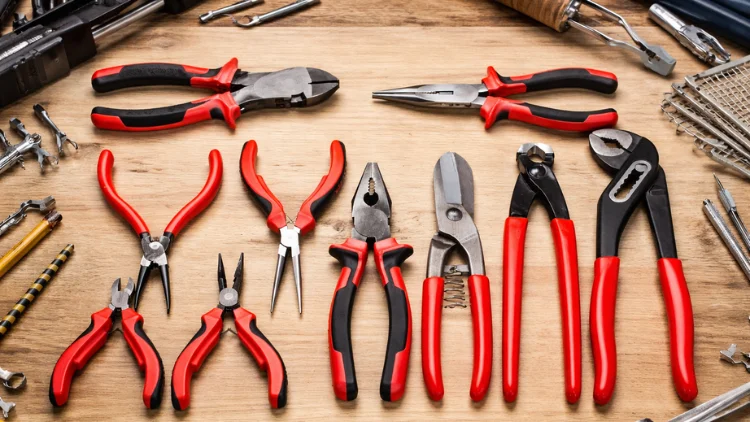
Electrician pliers combine gripping, cutting, and crimping functions. They are strong enough to handle thicker wires and connectors. Insulated diagonal cutters are often used alongside them for more precise cuts.
A practical way to evaluate quality is to test cutting performance. A reliable pair should cut standard copper wire cleanly without excessive force.
Corrosion resistance is also important. Tools exposed to moisture or oxidation may lose insulation reliability. Choosing chrome-finished or coated tools helps maintain safety over time.
Best Pliers for Plumbing and Pipe Work
Plumbing tasks require strong grip and adaptability.
Pipe wrenches are designed for larger fittings and provide strong torque. Pump pliers offer more flexibility and can adjust to different sizes, making them useful for general pipe work.
Control is more important than force. Applying steady pressure prevents damage to fittings. Over-tightening can deform pipes or threads, leading to leaks or repair issues.
Handle grip plays a key role here. A secure grip allows better control, especially when working in confined spaces such as under sinks.
Best Pliers for Automotive and Mechanical Repair
Automotive work often involves tight spaces and small components.
Needle-nose pliers are essential for reaching into narrow areas. Models with a spring mechanism improve efficiency because they reduce hand strain during repeated use.
Snap ring pliers are required for removing retaining rings. Both internal and external types should be included in a basic tool set.
Material choice matters in this environment. Oil and moisture exposure can cause corrosion. Tools with protective coatings perform better and last longer.
Best Pliers for DIY and Home Use
For home use, versatility is more important than specialization.
Combination pliers are the most practical choice. They handle gripping, bending, and light cutting tasks. A size around 180 mm provides a good balance between control and strength.
For beginners, starting with a multi-function tool reduces the need for additional purchases. As tasks become more specialized, additional tools can be added gradually.
Best Pliers for Electronics and Precision Work
Electronics work requires precision and control.
Precision pliers are designed with fine tips that allow accurate handling of small components. They are suitable for thin wires and delicate parts where standard pliers may cause damage.
These tools should only be used for soft materials. Using them on hard objects can damage the cutting edges and reduce accuracy.
Proper handling and storage are important to maintain performance.
Best Pliers for Woodworking and Furniture Assembly
In woodworking, holding tools are often more important than cutting tools.
Bar clamps are commonly used to secure materials during assembly. Parallel clamps provide even pressure distribution, which helps prevent deformation.
Choosing the correct size ensures better stability. Larger clamps are more suitable for furniture projects, while smaller ones can be used for lighter tasks.
Best Pliers for Gardening Tasks
Gardening tools are designed for cutting rather than gripping.
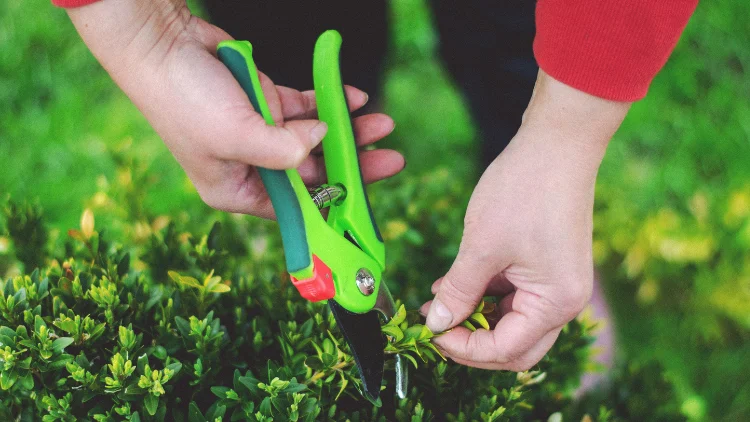
Pruning shears are used to cut branches efficiently. A cutting capacity of around 20 mm covers most household needs.
Comfort is an important factor. Shock-absorbing handles reduce fatigue during repeated use. Cutting at an angle helps protect plant health and improves recovery.
Best Pliers for General Mechanical Applications
Mechanical work often requires a combination of tools.
Circlip pliers are used for removing retaining rings. They are essential for many types of equipment repair. A set covering multiple sizes increases flexibility.
Hex tools complement pliers when dealing with fasteners. Having a complete set improves efficiency and reduces interruptions during work.
How to Maintain Pliers for Long-Term Use
Regular maintenance improves tool lifespan and performance.
Cleaning the tool after use prevents buildup and corrosion. Applying light oil periodically helps protect the metal surface.
Storage should be dry and organized. Keeping tools in a toolbox prevents damage and makes them easier to find.
Performance should be monitored over time. If cutting efficiency drops or jaws become loose, replacing the tool is recommended.
Conclusion
Choose pliers based on actual job requirements. For long-term use, consistent quality, durability, and stable performance are essential. KAFUWELL offers durable, well-designed hand tools to meet the needs of professionals and distributors.