In tropical regions, especially areas with persistent heat and humidity, pronounced rainy seasons, coastal salt spray, and heavy construction dust, power tools aren’t dealing with “occasional harsh weather.” They operate under long-term, high-intensity environmental stress.
Next, this article explains the key factors to consider when selecting power tools for tropical job sites.

6 Core Factors to Consider for Power Tools on Tropical Job Sites
Heat Dissipation and High-Temperature Performance
Tropical job sites run hot, and under the same workload, tools are more likely to heat up quickly. Overheating typically shows up as reduced power, thermal shutdowns, slower work output, hot-to-the-touch handling, and shortened service life.
When choosing tools, focus on temperature rise control and thermal protection systems rather than peak power alone. For heavy-load applications, prioritize designs built for heat resilience, such as better housing materials and smarter insulation around critical areas.
For example, Kafuwell’s angle grinder uses an airflow-optimized housing design that can reduce internal operating temperature by about 15% during use.
Water Resistance and Dust Protection
Tropical sites often face the combination of short, intense downpours, muddy water, and dust. Rainwater can lead to shorts or tool failure, while dust can clog airflow, increase rotational resistance, accelerate wear, and ultimately cause frequent faults and downtime.
If the site has standing water or a realistic chance of brief immersion, consider an IP67 approach, built for short-term immersion plus full dust protection. If dust levels are moderate and the main exposure is rain spray without immersion risk, IP54 is often sufficient as a baseline.
Beyond the rating, sealing details matter. Pay close attention to switches, buttons, ports, housing gaps, air intakes, and filter structures. Check whether ports have protective covers, whether filters can be removed and cleaned, and whether the air intake is prone to clogging.
Battery System and Charging Temperature
High temperatures accelerate battery aging, and high humidity makes contacts more likely to oxidize. As contact resistance increases, heat builds up more easily, leading to shorter-than-expected runtime, slow charging, charging failures, and faster long-term capacity loss. Heat amplifies all of these issues. In many cases, battery problems stem from the charging environment and charging habits rather than poor battery quality.
Whenever possible, standardize on a single battery platform. Mixing brands and models often results in charger mismatches and messy management. A mature platform with a broad tool lineup is usually the better choice.
While lithium “fast charging” commonly works in the 5°C–45°C range, it’s best to charge under milder conditions. Keeping the charging environment around 15°C–35°C helps extend battery lifespan.
Anti-Corrosion and Rust Resistance
Tropical humidity plus rainy seasons and coastal salt spray make metal components, such as fasteners, bearing areas, chucks, blades/drill bits, and connectors, far more prone to corrosion. Rust is not just cosmetic. It can cause binding, reduced concentricity, abnormal noise, efficiency loss, and even tool shutdown.
When purchasing, focus on the critical metal components and prioritize more corrosion-resistant materials and surface-treatment processes. Don’t judge durability based on the tool’s exterior appearance or casing texture.
Power Supply Resilience
In some tropical regions, job sites may experience voltage fluctuations, temporary power setups, generator power, or frequent outages. Unstable power can reduce charging efficiency, cause charger failures, and even create risks for corded equipment.
If the work is highly mobile and site power is unreliable, cordless tools are often more practical. However, you must stock enough spare batteries and set up a dependable charging area. For critical operations, add surge protection, residual-current protection, and backup power planning to prevent power issues from turning into costly downtime.
Maintenance and After-Sales Support
Under tropical conditions, spare parts availability and a clear SOP become far more important. Without spares and procedures, small issues can quickly escalate into work stoppages. For remote locations or long-duration projects, multilingual manuals, visual guides, and maintenance-friendly designs (such as removable filters and easy access to key components) directly impact usability and repair efficiency on site.
Plan wear parts and spares in advance, and make sure repair lead times and parts supply are predictable to reduce downtime caused by waiting for components.
Essential Power Tool List for Tropical Job Sites
Cutting and Drilling
Circular saws, reciprocating saws, hammer drills, rotary hammers. Key priorities: corrosion-prone component details, dust protection design, heat management and temperature rise control.
Fastening and Assembly
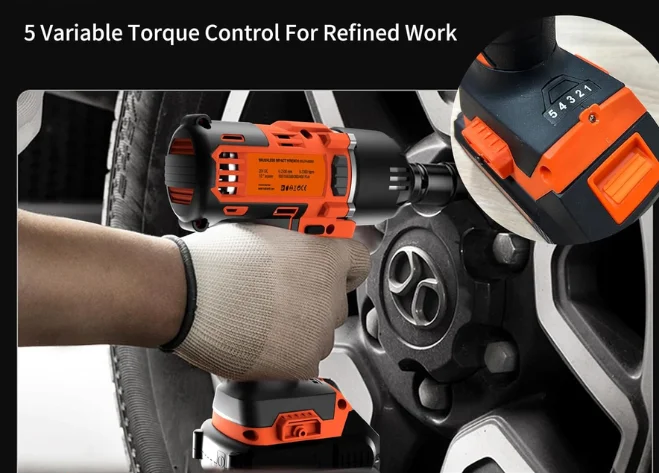
Impact drivers, impact wrenches. Key priorities: corrosion protection for contacts, stable torque performance, slip-resistant grip suitable for sweaty/humid conditions.
Grinding and Finishing
Angle grinders, sanders. Key priorities: serviceable airflow and filters, less clogging in dusty environments, reliable temperature rise control.
Demolition and Heavy-Duty Work
Demolition hammers, cut-off saws. Key priorities: stable performance under continuous load, thermal protection, vibration control, and spare parts availability.
Power Tool Maintenance SOP for Tropical Job Sites
After each workday, remove dust and mud, dry the tool before storage, and inspect ports, switches, the chuck, and air intakes. If moisture is found, dry it immediately.
Weekly, clean filters and airflow paths, check fasteners and wear on critical components, apply basic anti-rust measures where needed, and monitor heavy-load tools for abnormal heat build-up.
During the rainy season, keep storage and charging areas dry and ventilated, never charge in standing-water conditions, improve port protection, keep cables off the ground, and increase inspection frequency.
For long-term storage, use moisture control and anti-rust protection. Store batteries at the manufacturer’s recommended state of charge, avoid extreme temperatures, and periodically check for contact corrosion and exterior degradation.
FAQ
Are corded or cordless tools better for tropical regions?
Most job sites should use cordless tools as the primary option because they’re easier to move and less affected by voltage fluctuations. If local power is stable and budgets are tight, corded tools can still make sense. The key is ensuring cordless setups include enough batteries and fast charging to keep work continuous.
What’s the most common mistake when charging batteries?
Charging in high heat, or charging immediately after heavy-load use while the battery is still hot. Avoid charging in high temperatures (for example, above 35°C). Let the battery cool first, and keep chargers in a dry, well-ventilated area.
For a first order in tropical construction markets, which tool categories should be prioritized?
Start with drilling/fastening, concrete drilling, cutting/grinding, and demolition, then add support tools like cleaning and lighting to build a complete on-site workflow.

Conclusion
Kafuwell is a professional construction tools manufacturer with a portfolio of 500+ products, covering a wide range of power and hand tools from drills to welding machines. Our products comply with common international safety and compliance requirements, including CE and RoHS. They are also validated through reliability testing designed for typical harsh job-site conditions such as high heat, heavy dust, and high humidity.
For purchasing flexibility, Kafuwell supports low MOQs: you can start with as little as one carton, and mix different power tools and hand tools in the same order. This makes Kafuwell a strong fit for contractors buying for job sites and smaller wholesalers looking to test and stock efficiently.