Choosing the right power tools is essential for completing projects efficiently and improving overall productivity. Whether you are a DIY enthusiast or a professional involved in distribution or procurement, selecting power tools always involves different choices and trade-offs.
So, what factors should be prioritized when purchasing power tools? This article explores the key considerations to help you make informed decisions based on real-world usage needs.

Key Factors Affecting Power Tool Purchasing Decisions
Functional Requirements
Before purchasing power tools, it is essential to clearly understand your actual work requirements. Different working scenarios demand different tool functions. For example, if your main task involves drilling into concrete or brick walls, you should choose a hammer drill or rotary hammer with impact function. If the tool will be frequently used on construction sites or in harsh environments, greater attention should be paid to dust protection, heat dissipation, and overall durability.
Only by fully understanding the intended application and selecting tools with matching functions can you avoid reduced efficiency caused by insufficient features, or unnecessary costs caused by over-specification.
Power and Performance
The difference between professional-grade tools and household tools is often reflected in power output, with professional tools generally offering higher power. For tasks such as drilling, cutting, or impact applications, it is useful to pay attention to parameters like speed (RPM) and impact rate (IPM). Higher RPM usually means faster drilling or cutting, while torque is a key indicator of a tool’s ability to tighten screws or loosen seized bolts.
You can also refer to the product specifications. If the tool’s positioning, suitable materials, and intended working scenarios match your needs, it will usually provide sufficient power and stable performance for your tasks.
Read more: How to Identify Professional Tools vs DIY Tools
Frequency and Intensity of Use
The more frequently you use a tool and the longer each working session lasts, the more important durability and comfort become. For occasional use, choosing a stable entry-level model is generally sufficient. If you regularly handle small projects—using the tool weekly or for extended periods—it is worth upgrading to a more durable model with better vibration control.
A common mistake is using light-duty tools for heavy or continuous tasks. This can easily lead to overheating and reduced lifespan, ultimately increasing costs instead of saving money.
Ergonomics and Weight (Fatigue Factor)
How comfortable a tool is to use largely depends on grip design, weight, and balance. Tools that are too heavy or poorly balanced can cause fatigue more quickly and make precise operation difficult. This difference becomes especially noticeable during overhead installations or long sanding tasks.
When budget allows, it is recommended to prioritize models with comfortable grips and effective vibration control for a better long-term user experience.
Corded vs. Cordless
In real-world use, corded and cordless tools each represent different working modes rather than absolute advantages or disadvantages.
Corded tools offer stable power output and are well suited for long-duration, continuous work. They are often the preferred choice for fixed workstations, heavy cutting, or extended grinding tasks, and they are generally more cost-effective.
Cordless tools, on the other hand, provide greater flexibility. When work requires frequent movement, ladder use, confined spaces, or outdoor operation, cordless tools can significantly improve efficiency and workflow.
Many experienced users ultimately adopt a mixed setup: using cordless tools for high-mobility tasks and corded tools for long-term heavy-load applications. This combination is often more practical than choosing only one type.
Battery
Once you choose a cordless tool system, the battery becomes the core of the entire setup. Currently, lithium-ion batteries are the mainstream choice, offering longer runtime, longer lifespan, and lower self-discharge rates.
In terms of pricing, a single battery typically costs around USD 25–100, depending on voltage, capacity, and brand positioning. From a long-term cost perspective, it is advisable to choose a brand or platform with a wide product range, so that future tools can share the same batteries and chargers, reducing overall investment.
Safety Features
Safety features are often overlooked, but their importance is no less than power and performance. For cutting, grinding, and impact tools, features such as soft start, electronic brake, and overload protection are not optional extras—they directly affect operational safety.
The stability and adjustability of protective guards also play a critical role during heavy loads or unexpected situations. In addition to tool design, users should always wear appropriate protective equipment such as safety glasses, dust protection, and hearing protection during operation.
Price
Price is an important factor when choosing power tools. If you only perform occasional repairs or installations, cost-effective household-grade tools that meet basic functional requirements are usually sufficient. However, if the tools will be used for long periods or on a daily basis, professional-grade tools are a better choice.
Although professional tools have a higher initial price, their superior durability, heat dissipation, and structural strength help reduce downtime and replacement frequency. In the long run, this often results in better overall value.
For bulk purchasing and wholesale power tools sourcing, it is especially important to select suppliers with stable production capacity and reliable supply chains.Kafuwell, as a leading power tool manufacturer in China, has many years of industry experience and focuses on power tool manufacturing and supply. It provides a wide range of tools at competitive prices with stable availability, supporting one-stop procurement needs.
Branded vs. Non-Branded Products
Non-branded products often offer price advantages, but there can be significant differences in build quality, protection mechanisms, and long-term durability, making performance consistency less predictable.
In contrast, branded power tools are usually more mature in terms of product consistency, performance stability, and safety design, providing greater assurance during use. If you are a hardware store owner or involved in distribution, product stability directly affects customer experience and reputation. Choosing reliable branded products can help reduce after-sales issues, minimize complaints caused by quality fluctuations, and support long-term business growth.
Tool Types and Priority Recommendations

The following tool priority recommendations are based on common working scenarios and problem frequency encountered by most users. They are intended to guide gradual expansion of your power tool collection.
1. Cordless Drill/Driver
The cordless drill/driver is the starting point of almost every power tool system. It covers drilling and basic fastening and is the most frequently used tool in household, installation, and assembly scenarios.
When you start frequently driving screws, drilling holes, or performing simple installations, this tool becomes nearly indispensable. Compared to raw specifications, control, clutch adjustment, and grip comfort have a greater impact on everyday use.
2. Impact Driver or Impact Wrench
When fastening tasks become more frequent or resistance increases, the value of impact tools becomes immediately apparent.
Impact drivers are ideal for efficiently driving long screws or self-tapping screws, while impact wrenches are designed for larger bolts and automotive applications. Both significantly improve efficiency and reduce wrist strain.
3. Angle Grinder
Angle grinders are widely used due to their versatility, handling cutting, grinding, and rust removal tasks.
However, they are also higher-risk tools. When purchasing, safety design and controllability should take priority over power output. With proper protection, angle grinders can greatly improve work efficiency.
4. Circular Saw / Jigsaw / Reciprocating Saw
The choice among saws depends on the type of cutting tasks you face.
Circular saws are best for fast straight cuts, jigsaws excel at curved and precise cutting, and reciprocating saws are ideal for demolition and rough cutting. These tools complement each other and are typically added gradually as needs expand.
5. Sander
The value of a sander is often fully realized only after first use.
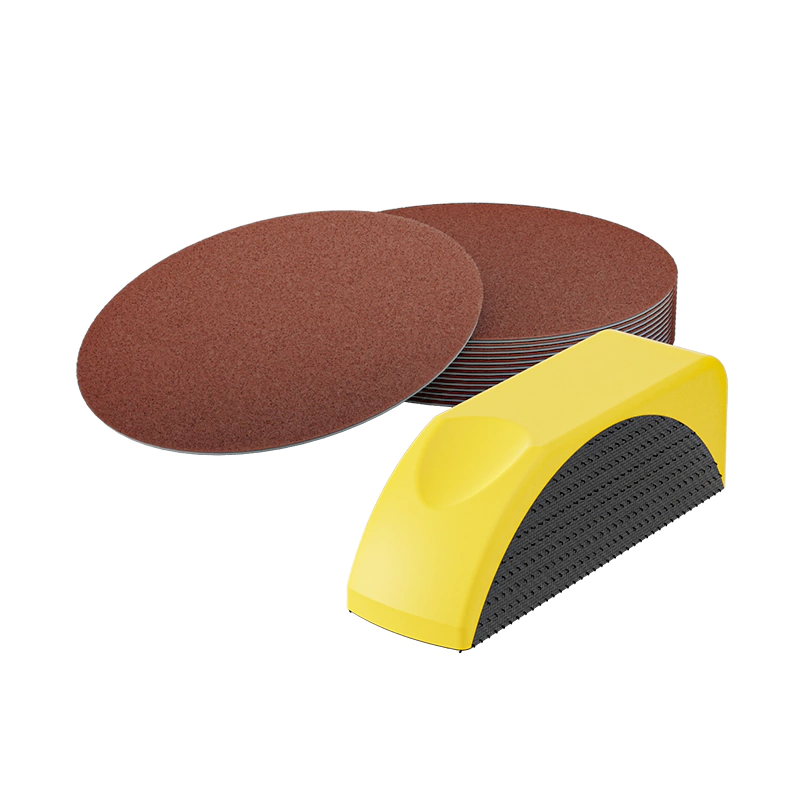
Whether for woodworking, renovation, or surface preparation before painting, achieving uniform and efficient sanding is difficult with manual methods alone. Good dust collection and vibration control greatly enhance long-term usability.
6. Rotary Hammer / Hammer Drill
In concrete work, tool selection differences become especially noticeable.
Hammer drills can handle occasional wall drilling, but when frequency or material hardness increases, rotary hammers offer clear advantages in efficiency and comfort. The key is not whether the tool can drill, but whether it can do so easily and stably.
7. Trimmer / Router
Trimmers and routers are not essential tools, but they become irreplaceable when higher precision and consistency are required.
As woodworking transitions from “functional” to “refined and polished,” these tools often mark a qualitative upgrade.
Conclusion
Kafuwell focuses on the research, development, and manufacturing of power tools. With products covering a wide range of applications, it delivers stable quality alongside competitive pricing, making it suitable for long-term cooperation and large-scale procurement.If you are looking for a reliable power tool supplier for distribution, construction projects, or bulk purchasing, feel free to contact us to learn more about our products and cooperation options, and receive procurement support tailored to your business needs.