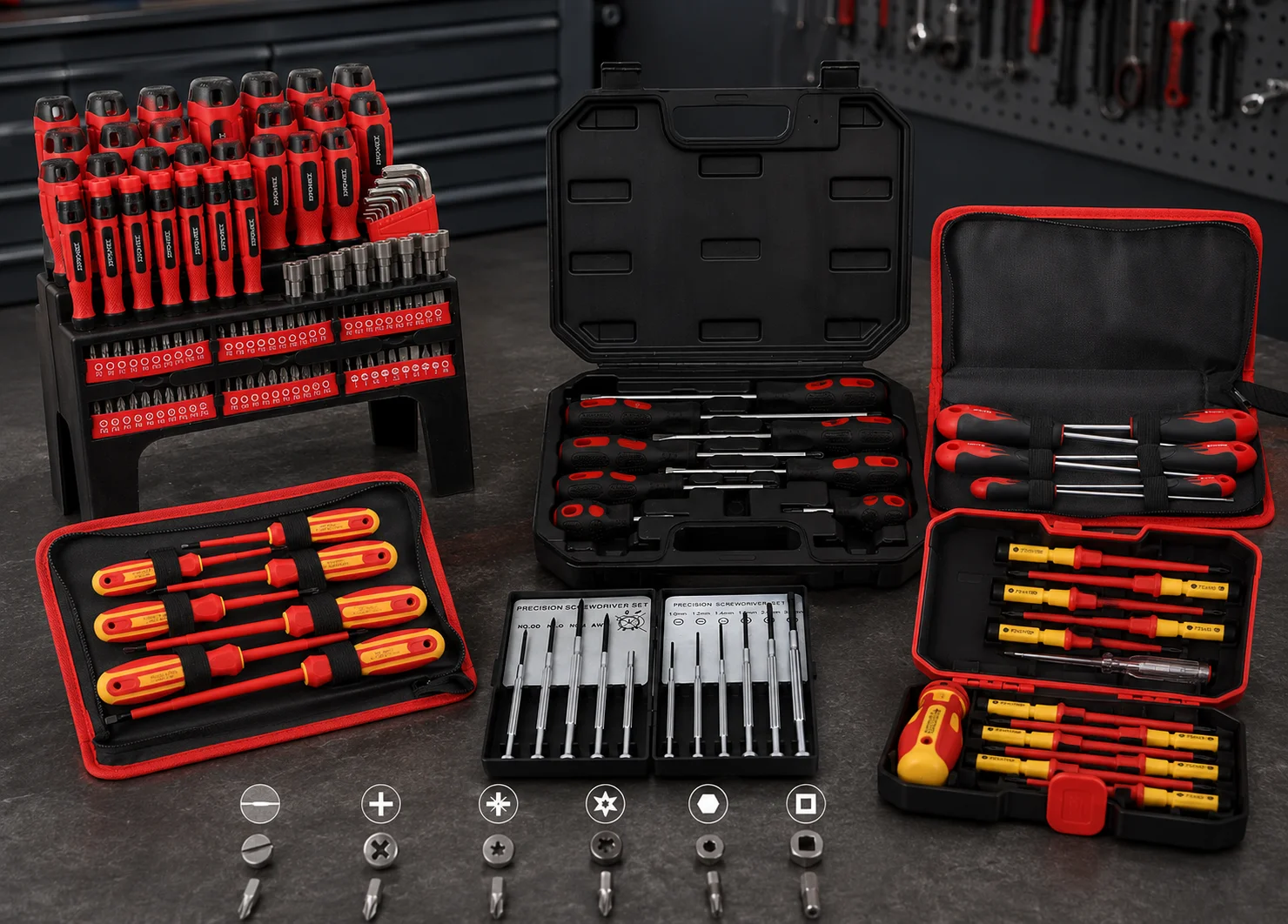
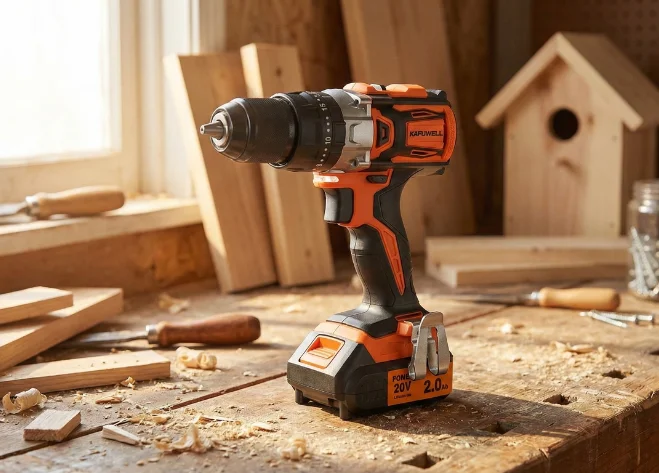
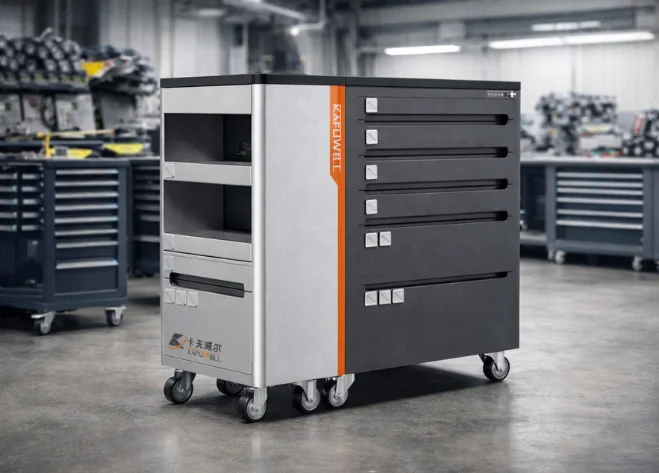
When purchasing power tools, knowing how to distinguish between professional tools and DIY tools—and understanding their uses and features—is crucial. Grasping these differences not only helps wholesalers and distributors choose products more precisely, but also ensures that end users select the right tool for their needs.
In this article, you’ll learn how to spot the differences from four key aspects:
- Materials
- Weight
- Performance
- Features
Materials: The Foundation of Durability
The materials used in a tool are one of the most intuitive ways to judge its intended application. Professional tools must withstand long periods of high-intensity work, while DIY tools focus more on affordability and lightness.
Professional Tools: Built for Heavy Duty
Professional tools use higher-grade metals and more robust components, with common characteristics such as:
- Key parts made from high-grade steel and stronger alloys
- Thick metal housings to protect the motor and gears
- Reinforced design on stress-bearing areas
The handles of professional tools also feel different: they are ergonomically designed and often feature rubber or non-slip materials, making them comfortable for long-term use.
These materials can endure strong working loads and are not easily damaged. Professional-grade drills or impact wrenches are designed to withstand frequent impact and occasional drops without breaking.
Common characteristics of professional tools:
- Tool body equipped with a thick, heavy metal housing
- Reinforced design on high-wear parts (such as chucks, gear cases, or hinges)
- Handles with non-slip rubber or textured designs suitable for all-day use
When you pick up a professional tool, it usually feels solid in the hand. Parts fit tightly, and buttons and switches have crisp feedback rather than feeling loose or cheap.
DIY Tools: Lightweight and Budget-Friendly
DIY tools are designed with different priorities. To suit non-professional users and control cost, many parts use plastic or thinner metal.
You may notice:
- Housings are mostly plastic rather than thick metal
- Brackets, screws, or hinges are thinner
- Handle designs are basic, with little to no rubber or textured anti-slip surfaces
At first glance, some DIY tools may look similar to professional ones, with bright colors, stylish design, and a long list of functions on the packaging.
However, under heavy load they tend to wear out faster. Long-term or high-intensity use can easily lead to failure.
Typical differences:
| Aspect | Professional Tools | DIY Tools |
| Housing material | Steel or alloy | Plastic |
| Key components | Thick and reinforced | Thinner, lighter design |
| Handle | Ergonomic design | Basic shape |
DIY tools are suitable for light work and occasional repairs. Once they are used like professional tools, their limitations quickly show.
Weight: Heavier Usually Means More Durable
Weight is a quick clue you can judge in just a few seconds. Professional tools are usually heavier because their internal parts are sturdier and contain a higher proportion of metal.
The extra weight often means:
- The tool can withstand more pressure
- Better vibration absorption in some cases
- Stronger housings and core components
If a tool looks large but feels very light, it is likely a product aimed at the DIY market, intended for short-term or occasional use.
A simple way to judge:
- Pick up and compare two models in a store
- The heavier tool is usually designed for repeated, high-intensity use
- The lighter tool is typically more suitable for occasional small projects
Of course, weight is not the only standard, but combined with material quality, it becomes a strong indicator.
Performance: Power Is the Key
Even when they look similar, performance quickly separates professional tools from DIY tools. Power, speed and precision determine whether a tool can handle heavy-duty tasks.
Motor and Battery Performance
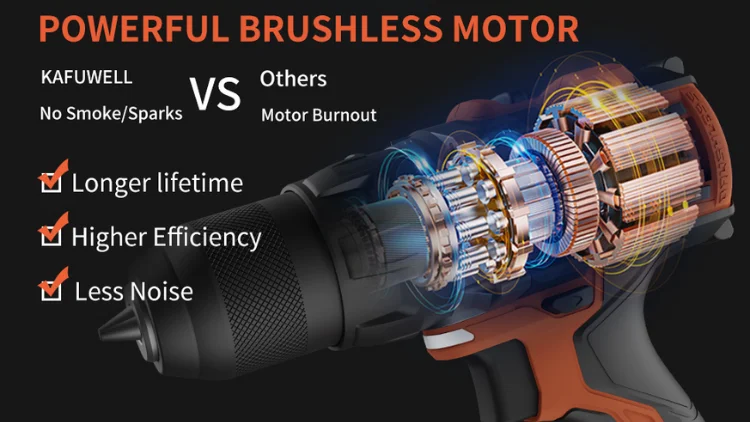
Professional power tools have stronger motors and better battery life. Common features include:
- Higher motor power (for example, above 150 W)
- Greater torque, capable of drilling into hard materials
- Longer battery runtime and efficient charging
A high-quality professional drill can easily drill through hardwood or even concrete without overheating or shutting down. Even in continuous use, it maintains stable power.
How to judge:
- Check the wattage, voltage, and amp-hour (Ah) ratings on the packaging
- Read user reviews about its performance on hard materials (metal, concrete, etc.)
Professional tools deliver consistent power and maintain high efficiency from start to finish—no “running out of breath halfway through”.
Limitations of DIY Tools
Under high-intensity work, DIY tools reveal their weaknesses, such as:
- Slower drilling or cutting speed
- Batteries draining quickly under heavy load
- Motors heating up rapidly and sometimes shutting off automatically
These tools are not suitable for drilling concrete, thick hardwood, or long-term continuous use. You may notice a burning smell, feel the housing getting very hot, or see obvious power drop-off.
Suitable scenarios:
- Drilling into soft wood or drywall
- Tightening a few screws
- Occasional repairs or simple projects
If you need to use tools frequently or work with high-strength materials, you will quickly feel the difference.
Key Features: Safety and Professional Add-Ons
Professional tools often come with additional features designed to protect users and extend tool life—features that are rarely found on low-cost DIY tools.
Safety and Control Features
Common safety and control features of professional tools include:
- Overload protection (automatic shutdown when overheated or overloaded)
- Multiple speed settings (adjustable for different materials or tasks)
- Enhanced cooling and dust-proof designs (to protect the motor and extend lifespan)
Typical professional-tool details:
- Speed adjustment dials or variable-speed triggers
- Extra ventilation openings for better cooling
- Improved dust-sealing designs, especially for saws, grinders, and similar tools
DIY tools typically only offer basic functions. This is fine for short-term work, but in long-term use problems become more likely.
Warranty and Reliability
The warranty period can also reveal the tool’s expected intensity of use.
Professional tools:
- Longer warranty periods (up to 5 years)
- Authorized service centers or parts replacement support
- Stronger warranties on motors or other key components
DIY tools:
- Shorter warranty periods
- Mainly aimed at manufacturing defects, not high-intensity wear and tear
- Limited maintenance or repair support
Comparison overview:
| Item | Professional Tools | DIY Tools |
| Warranty | Up to 5 years | Shorter and more limited |
| Safety features | Multiple, advanced | Basic |
| Controls | Adjustable and precise | Simple on/off switch |
Longer warranties and comprehensive safety features are strong indicators that a tool is professional-grade, durable, and reliable.

Brand Labels and Identification Tips
Brand is a useful reference, but you can’t rely on brand alone. Many well-known brands produce both professional and DIY product lines.
So in addition to the brand name, pay attention to whether the packaging includes terms such as:
- Heavy-duty
- Industrial
- Professional
These labels usually indicate that the product is suitable for daily high-intensity use. However, the most reliable method is still to look at the specific model and its specifications.
Recommended approach:
- Check whether the packaging uses labels like “heavy-duty” or “professional”
- Within the same brand, compare materials, features, and warranty across different models
- Look up the model online to see whether it is designed for professional users or home users
Don’t assume a tool is professional-grade just because the brand is famous—always check the details.
Choose According to Actual Needs
When selecting tools, the most important thing is to match real-world needs. For distributors and wholesale buyers, understanding the requirements of target customers is critical.
- For professional users: choose tools with strong power, high durability, and multiple functions that can withstand high-intensity, frequent use.
- For DIY enthusiasts: choose cost-effective, easy-to-use tools suitable for light-duty tasks, ensuring simple operation and reasonable price.
Through thorough market research and product comparison, you can recommend more suitable tools for different types of customers, thereby boosting sales and customer satisfaction.
Conclusion
With 20 years of professional manufacturing experience, over 800 SKUs of power tools, and a full product range from household to industrial-grade applications, KAFUWELL is committed to providing stable, high-quality, large-volume tool supply for distributors, hardware stores, construction sites and other professional users.
If you are looking to:
- Purchase reliable, durable power/hand tools in bulk to satisfy different customer segments
- Offer your customers truly professional-grade tools that stand the test of real-world use
- Build long-term competitive advantage backed by a solid supply chain and comprehensive after-sales service
Get in touch with us now to receive the latest product catalog, special pricing, and customized cooperation solutions.