The power tool industry is undergoing structural change. Distributors who rely on a single Tier 1 brand are facing margin compression, while those who diversify across brand tiers and build direct manufacturer partnerships are gaining ground.
This article covers the leading power tool brands in global B2B distribution in 2026.

What Principles Should Guide Power Tool Brand Selection?
A defensible brand portfolio rests on six measurable principles. Treat each one as a scorecard line item before any contract signing.
| Principle | What it means in B2B | Recommended threshold |
| Margin headroom | Distributor profit after rebates and freight | Gross margin 25 percent or higher |
| Supply reliability | On-time delivery and stock visibility | Average lead time within 30 days |
| After-sales infrastructure | Spare parts availability and repair speed | Minimum 5 years of parts supply |
| Compliance coverage | Certifications for target markets | CE, UL, BSCI, RoHS, UKCA where applicable |
| Channel protection | Pricing and territory controls | Written MAP and exclusivity terms |
| Brand pull vs price competitiveness | Trade-off between recognition and cost | Search volume data plus landed cost analysis |
Which Power Tool Brands Lead the Global B2b Market in 2026?
The 2026 brand landscape can be grouped into three tiers based on B2B distribution value, not consumer awareness alone. Each tier carries different margin profiles and different operational requirements.
Tier 1: Global Premium Brands
These brands dominate professional channels and command premium shelf space. They also impose the strictest commercial terms on distributors.
- Bosch Power Tools. German engineering with a dual-line strategy of Bosch Professional (blue) and Bosch DIY (green). Strong in Europe, Asia, and emerging markets.
- DeWalt. Owned by Stanley Black and Decker. Dominant in the North American construction trade, with aggressive cordless platform expansion under the FlexVolt and PowerStack systems.
- Makita. Japanese heritage and the broadest cordless ecosystem in the industry. Particularly strong with carpenters, electricians, and outdoor power equipment users.
- Milwaukee Tool. Owned by Techtronic Industries (TTI). One of the fastest-growing professional brands globally, defined by the M12 and M18 platforms.
- Hilti. Swiss-based and vertically integrated with direct-to-jobsite sales. Premium pricing combined with a tool fleet management service model.
Distribution profile: high MOQ requirements, strict territory controls, limited margin headroom for new distributors, and frequently allocated stock during shortages.
Tier 2: Specialist and Value-Professional Brands
These brands target trade segments where price-performance balance is the primary purchase driver.
- Metabo HPT. The North American identity of HiKOKI for the trade channel.
- Festool. German precision tools focused on woodworking and finishing trades. Premium pricing, strict dealer agreements, and a very loyal user base.
- HiKOKI. Formerly Hitachi Koki. Strong in Asia-Pacific construction and rental channels.
- Ryobi. Owned by TTI. The 18V ONE+ platform is one of the largest battery ecosystems in the consumer DIY segment.
- Ridgid. Plumbing and trade tools with a lifetime service agreement on registered cordless products in select markets.
Distribution profile: medium MOQ, better margin headroom than Tier 1, often tied to specific channels such as home centers, plumbing wholesalers, or woodworking retailers.
Tier 3: Manufacturer-Direct Brand Partnerships
A third category of brands sits outside the traditional Tier 1 to Tier 2 distribution chain. These are manufacturer-owned brands that go directly from factory to authorized distributor, without trading companies or regional master distributors in between. For B2B buyers, this model delivers two structural advantages: better margins than carrying Tier 1 brands, and stronger reliability than mass-market private labels.
Why Are Distributors Turning to Manufacturer-Direct Brands in 2026?
Three forces are driving the shift toward direct manufacturer-brand partnerships:
- Tier 1 list price increases continue to compress traditional distribution margins.
- Multi-layer supply chains add 15 to 30 percent to landed cost without adding value.
- End customers in B2B procurement increasingly evaluate tools by specifications, certifications, and warranty rather than logo recognition alone.
A manufacturer-direct brand partnership works when the brand has three things: a real manufacturing base rather than a relabeler, full international certifications for the distributor’s target markets, and the operational discipline to support distributors with stock, marketing assets, and after-sales infrastructure.
Kafuwell as a Manufacturer-Direct Brand Partner
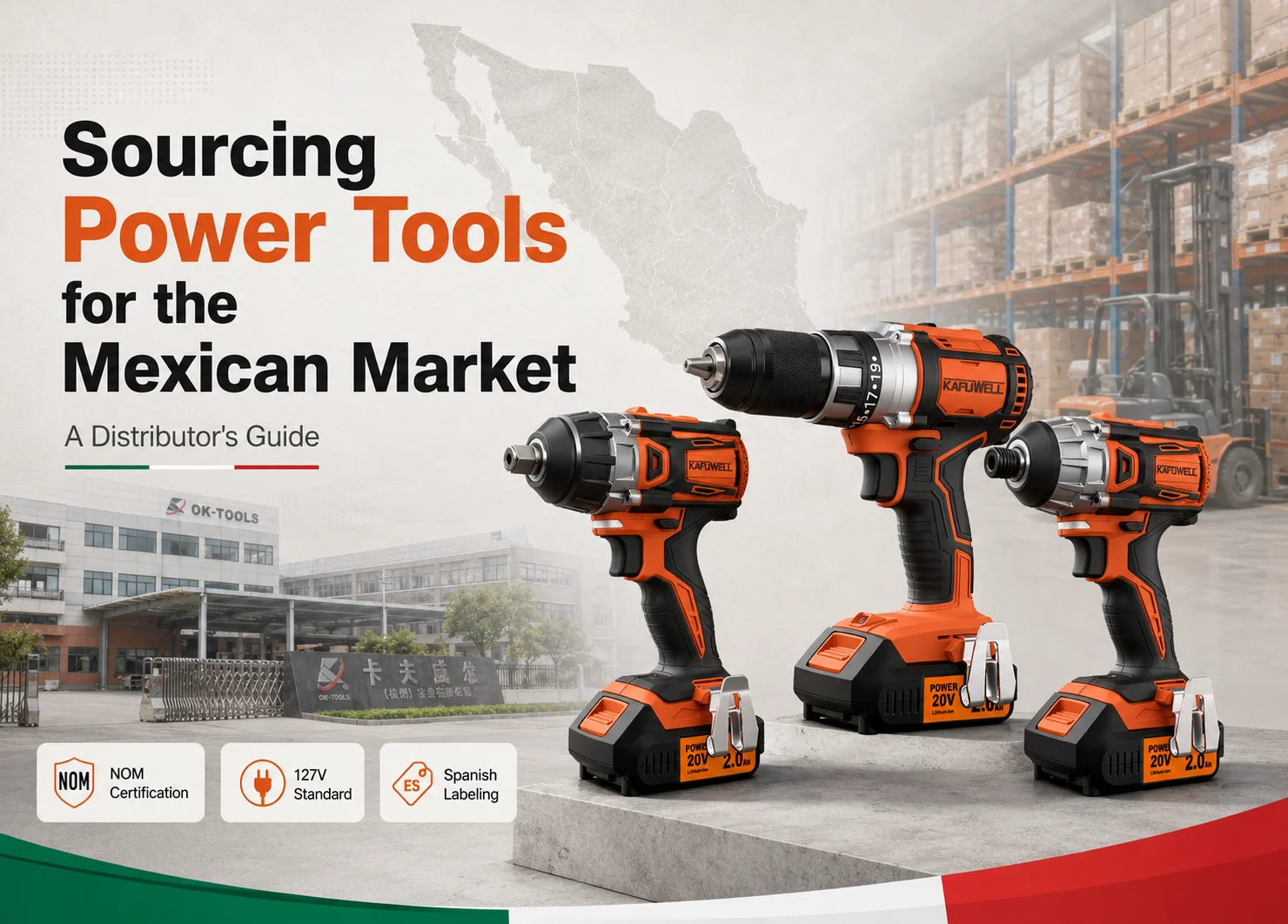
Kafuwell is one of the brands built specifically for this distribution model. Founded in 1998 in Hangzhou, China, Kafuwell operates as a manufacturer-brand selling to international distributors, with its own production lines plus a network of more than 150 partner factories.
Key facts for distributors evaluating Kafuwell as a brand partner:
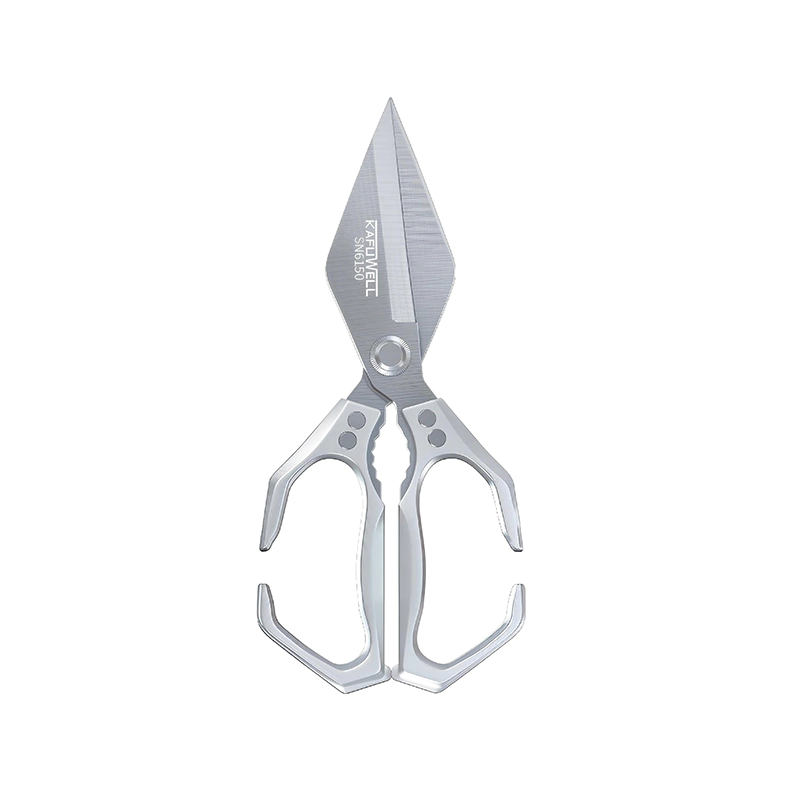
- Catalog depth. More than 4000 SKUs across power tools, hand tools, pneumatic tools, garden tools, tool sets, and tool cabinets. A single supplier can fill multiple categories of a hardware distributor’s catalog, simplifying logistics and consolidating shipments.
- Certifications. ISO9001, CE, BSCI, and RoHS, covering most major target markets in Europe, the Americas, and Asia-Pacific.
- MOQ flexibility. Orders start from a single mixed carton that can combine multiple SKUs across different tool categories, which lets distributors test new products and regional demand without taking on full-container inventory risk.
- Manufacturer credibility. Production track record includes serving global retail brands such as Ikea, Lidl, and Home Depot as a manufacturing partner. The same quality systems and supply base support every Kafuwell-branded product.
- Optional OEM extension. Distributors who later want a private label addition to their Kafuwell brand line can use the same supply base, without changing manufacturer or re-validating quality.
The distributor profile that fits a Kafuwell partnership well:
- Hardware wholesalers expanding their power tool catalog beyond Tier 1 brands to recover margin.
- Regional distributors seeking exclusive territory rights, which are difficult to obtain from established Tier 1 brands.
- B2B buyers in construction, woodworking, gardening, and automotive repair who need a wide SKU range from one supplier.
- New market entrants who need low MOQ to test product-market fit before scaling inventory.
What a Kafuwell brand distributor receives:
- Manufacturer-direct pricing without trading company markup.
- Marketing assets including product images, technical specifications, and packaging artwork.
- Stable lead times supported by in-house production plus the partner factory network.
- Multi-language packaging and manuals for the distributor’s local market.
- Sample programs to support trade show participation and key account presentations.
- Territory considerations and exclusivity reviews based on commitment and performance.

Summary
For distributors and power tool wholesalers looking to add a manufacturer-direct brand partnership in 2026, Kafuwell offers a single-supplier catalog of more than 4000 SKUs, flexible MOQ from a single mixed carton across multiple tool categories, full international certifications, and long-term support designed for distribution partners.
If you are looking for a power tool brand partnership that delivers stronger margin headroom and more reliable supply, you can start with the Kafuwell partnership policy, and then explore specific terms with our team based on your market needs.